


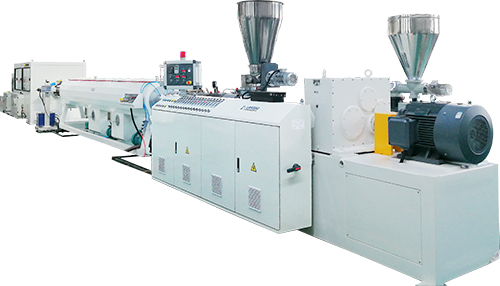
Estudio de caso de la línea de extrusión de conductos eléctricos de PVC para proyectos de construcción en Túnez
Publicado el: August 17, 2026
El mercado de servicios de construcción y edificación de Túnez requiere sistemas de tubos eléctricos para edificios residenciales, instalaciones comerciales y proyectos de infraestructura. Para los fabricantes locales de tubos, la producción de varios tamaños de tubo de PVC en una línea de extrusión flexible puede ayudar a satisfacer diferentes requisitos de protección de cables.
Un fabricante tunecino de tubos de plástico, por lo tanto, planeó expandir su capacidad de producción con una Línea de Extrusión de Tubos de PVC para Fabricación de Tubos Eléctricos continua.
El requisito principal no era simplemente aumentar la capacidad de producción, sino configurar una línea capaz de producir diferentes especificaciones de tubo para diversas aplicaciones de construcción.
El cliente es un fabricante tunecino de tubos de plástico que suministra productos de PVC para proyectos locales de construcción e instalación eléctrica.
Su producción existente se centró principalmente en tubos de PVC convencionales. A medida que aumentó la demanda de tubos eléctricos, el fabricante planeó agregar productos de tubos eléctricos de PVC a su gama de productos.
Los productos objetivo incluían diferentes diámetros de tubo y espesores de pared para:
- Cableado residencial
- Edificios comerciales
- Instalaciones eléctricas
- Protección de cables
- Proyectos de construcción
Por lo tanto, el cliente necesitaba un sistema de extrusión que pudiera soportar múltiples especificaciones de producto.
Antes de comprar el nuevo equipo, el fabricante se enfrentó a varios desafíos de producción.
Los proyectos de instalación eléctrica no siempre requieren el mismo diámetro de tubo. El cliente necesitaba producir varios tamaños de tubo de PVC utilizando un sistema de producción configurable.
Los tubos eléctricos de PVC necesitan un diámetro exterior y un espesor de pared controlados para que el tubo terminado pueda usarse con accesorios y sistemas de instalación correspondientes.
El cambio entre diferentes especificaciones de tubo requería troqueles de extrusión y componentes de calibración adecuados.
El cliente también quería reducir la manipulación manual innecesaria integrando la extrusión, el enfriamiento, el arrastre y el corte en un proceso de producción continuo.
El proyecto se configuró en torno a una Línea de Extrusión de Tubos de PVC para Tubos Eléctricos continua.
El equipo principal incluía:
Sistema de Alimentación de PVC → Extrusora de Doble Tornillo → Troquel para Tubo Eléctrico → Tanque de Calibración al Vacío → Tanque de Enfriamiento → Arrastre → Máquina de Corte
Cada sección realiza una función específica en el proceso de producción.
La extrusora de doble tornillo procesa el compuesto de PVC y entrega el material plastificado continuamente al troquel.
El troquel forma el diámetro del tubo y la estructura de la pared requeridos. Diferentes especificaciones de tubo pueden usar herramientas correspondientes.
El sistema de calibración ayuda a establecer el diámetro exterior y la redondez del tubo requeridos después de la extrusión.
La sección de enfriamiento elimina el calor del tubo de PVC y ayuda a mantener sus dimensiones.
El arrastre tira continuamente del tubo a través de la sección de enfriamiento. Su velocidad se coordina con el proceso de extrusión.
La unidad de corte produce tubos eléctricos de PVC de longitud fija según la especificación del producto requerida.
Uno de los requisitos clave del proyecto tunecino fue la capacidad de fabricar diferentes tamaños de tubo eléctrico.
En lugar de diseñar una línea completamente separada para cada tamaño, el sistema de producción se configuró en torno a herramientas intercambiables y parámetros de proceso ajustables.
Los principales factores de cambio incluyeron:
| Elemento de Producción | Ajuste |
|---|---|
| Troquel de Extrusión | Cambiado según el diámetro del tubo |
| Componentes de Calibración | Adaptados al tamaño del tubo |
| Condiciones de Enfriamiento | Ajustadas según el espesor de pared y el diámetro |
| Velocidad de Arrastre | Coincidida con la salida de extrusión |
| Longitud de Corte | Establecida según los requisitos del producto |
Esta configuración permitió al fabricante organizar la producción según diferentes especificaciones de tubo eléctrico.
El proceso de fabricación de tubos eléctricos de PVC sigue una secuencia continua:
El compuesto de PVC se transfiere al sistema de extrusión.
La extrusora de doble tornillo funde y plastifica el material.
La masa fundida de PVC pasa a través del troquel para tubo eléctrico para formar la forma inicial del tubo.
El tubo caliente entra en la sección de calibración al vacío para establecer sus dimensiones requeridas.
El tubo pasa a través del tanque de enfriamiento para reducir su temperatura y mantener la geometría del tubo.
El arrastre tira continuamente del tubo a través de la línea de producción.
El tubo terminado se corta en longitudes predeterminadas para su almacenamiento, transporte o instalación.
Después de la puesta en marcha de la línea de extrusión de tubos eléctricos de PVC, el fabricante tunecino pudo organizar la producción en torno a múltiples especificaciones de tubo.
Las principales mejoras se relacionaron con la flexibilidad de producción e integración de procesos:
- Se pudieron planificar múltiples tamaños de tubo a través de diferentes configuraciones de herramientas.
- La extrusión, la calibración, el enfriamiento, el arrastre y el corte se integraron en un proceso continuo.
- Las dimensiones del tubo se pudieron ajustar mediante herramientas y parámetros de proceso coordinados.
- Se pudieron preparar tubos eléctricos de longitud fija para aplicaciones de construcción.
- El fabricante amplió su gama de productos de PVC para proyectos de instalación eléctrica.
El resultado fue una configuración de producción mejor alineada con los requisitos del mercado tunecino de construcción y tubos eléctricos.
La extrusión de PVC es adecuada para tubos eléctricos porque el proceso puede formar continuamente tubos con dimensiones y estructuras de pared definidas.
Para los fabricantes que producen múltiples especificaciones de tubo, el sistema de extrusión se puede configurar según:
- Diámetro del tubo
- Espesor de pared
- Formulación de PVC
- Salida de producción
- Longitud del producto
- Requisitos del producto aplicables
Esto hace que la extrusión sea un método de producción práctico para los fabricantes que suministran tubos eléctricos de PVC para aplicaciones de construcción y protección de cables.
Este proyecto de Túnez demuestra que la selección de una línea de extrusión de tubos eléctricos de PVC debe comenzar con las especificaciones reales del producto, en lugar de solo la salida de máquina requerida.
Los factores clave son:
Gama de Productos → Diseño del Troquel → Calibración → Enfriamiento → Arrastre → Corte
Para los fabricantes que planean producir diferentes tamaños de tubo eléctrico, el equipo debe configurarse según el rango de diámetro y el espesor de pared requeridos.
El mismo principio también se puede aplicar a la producción de tubos de PVC para construcción residencial, edificios comerciales, instalaciones eléctricas y aplicaciones seleccionadas de protección de cables.
El proyecto tunecino demuestra cómo una Línea de Extrusión de Tubos de PVC para Tubos Eléctricos puede configurarse para la producción de múltiples especificaciones de tubo.

